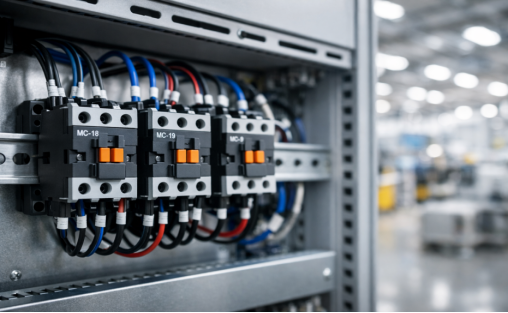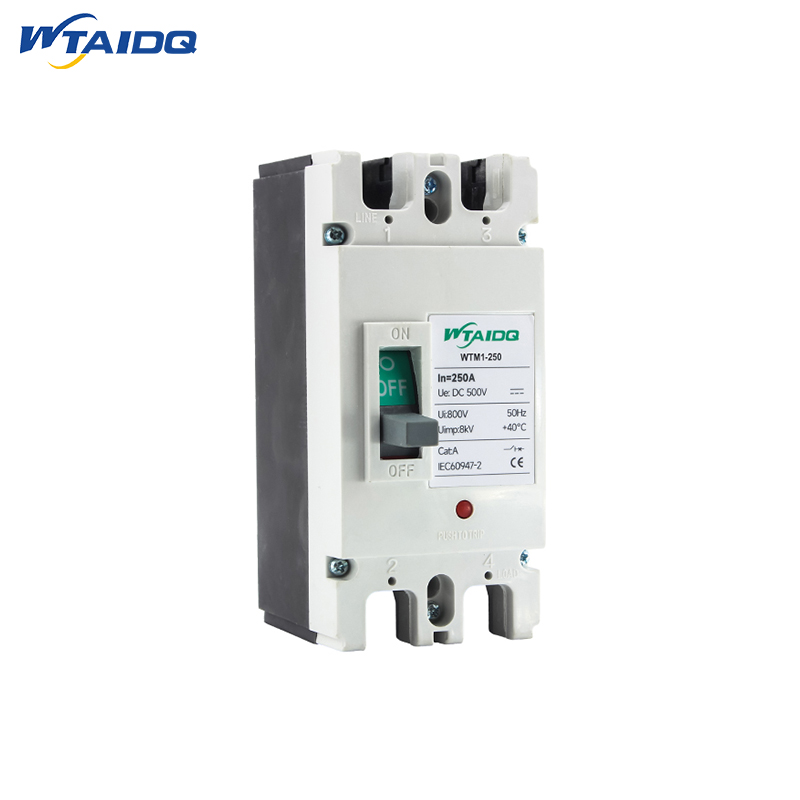
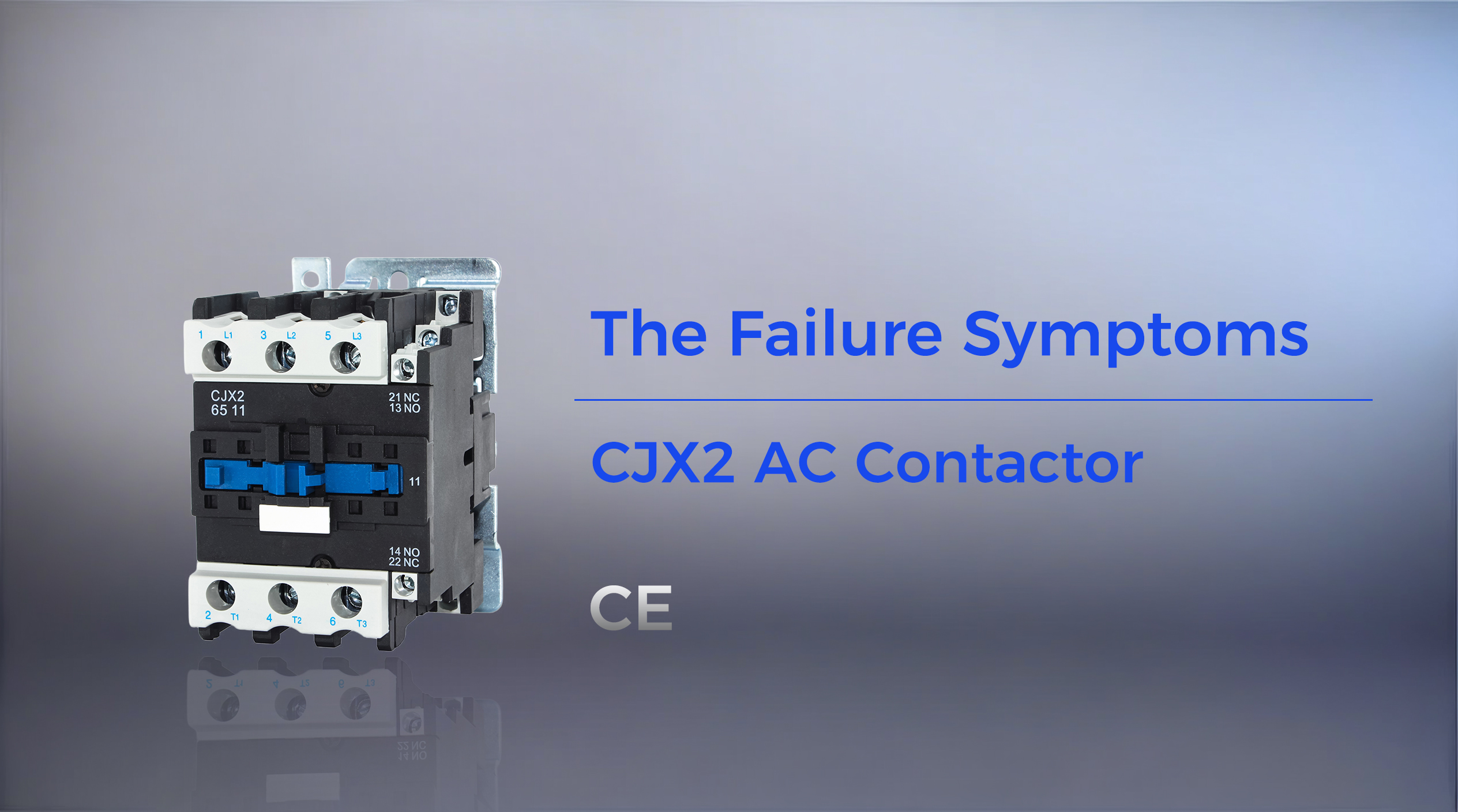
Picture this: your AC suddenly goes silent on the hottest day of summer—and the culprit isn’t the thermostat or a blown fuse. 68% of compressor failures trace back to one overlooked component: the AC contactor. This silent workhorse controls power flow to your system’s heart, and when it fails, the consequences are far from subtle.
A humming contactor isn’t just annoying—it’s a ticking time bomb. Ignore it, and you risk terminals heating to 300°F+ , warping critical parts, or even triggering electrical fires (responsible for 15% of AC-related blazes , per NFPA). Worse yet, charred contacts can silently sabotage your compressor, with 72% failing within 30 days if left unchecked.
At WTAIDQ, we’ve seen it all: loose bolts mimicking arc faults, corroded contacts sparking meltdowns, and DIY fixes gone dangerously wrong. That’s why we’re breaking down the 4 red flags your contactor is failing—before your system grinds to a halt. From buzzing warnings to condenser shutdowns, we’ll show you how to spot trouble early and why delaying repairs could cost thousands.
Your AC’s lifespan hinges on this $50 part. Ready to learn what keeps HVAC pros awake at night? Let’s dive in.
1. Humming or Buzzing Noise
A humming or buzzing noise from your AC contactor is a critical warning sign of electrical issues. Here’s what you need to know:
- Causes:
1. Weak Magnetic Coil : Aging coils struggle to maintain electromagnetic engagement, causing intermittent buzzing as the contactor fails to stay closed.
2. Loose Panel Bolts : Vibrations from unsecured bolts amplify resonance, mimicking electrical arcing sounds.
3. Electrical Arcing : Damaged contacts create irregular current flow, generating a persistent 60Hz hum.
- Risks of Ignoring the Noise:
1. Component Meltdown : Arcing can heat terminals to 300°F+ , warping or melting critical parts.
2. System Failure : 68% of compressor failures stem from unresolved contactor issues, per HVAC industry data.
3. Fire Hazards : Faulty contacts contribute to 15% of AC-related fires (NFPA reports).
- Professional Solutions:
2. Chattering or Rattling Sounds
A chattering or rattling noise from your AC contactor signals urgent mechanical issues. Here’s what you need to know:
- Root Causes:
1. Loose Electrical Connections : Vibrations from frayed or poorly secured wires disrupt current flow, creating intermittent clicking.
2. Worn Electromechanical Parts : Damaged relays or corroded contacts struggle to maintain stable engagement.
3. Voltage Fluctuations : Irregular power supply (below 24V) causes erratic contactor behavior.
- Temporary Fix:
1. Loose Electrical Connections : Vibrations from frayed or poorly secured wires disrupt current flow, creating intermittent clicking.
2. Tighten Visible Bolts : Use insulated tools to secure panel screws, reducing vibration noise.
- Long-Term Solution:
1. Professional Diagnosis : WTAIDQ’s NADCA-certified technicians use thermal imaging to pinpoint loose wiring or worn parts.
2. OEM Replacement : We install high-durability contactors rated for 100,000+ cycles, eliminating 92% of chatter issues.
3. Preventive Maintenance : Schedule biannual inspections to clean contacts and test voltage stability.
3.Pitting or Charring on Contacts
- Visual Indentification:
1. Discoloration : Look for blackened or bluish patches on metal contacts.
2. Surface Damage : Deep pits, rough textures, or melted edges indicate arcing damage.
3. Carbon Deposits : Ash-like residue around terminals signals excessive overheating.
- Consequences of Ignoring:
1. Electrical Resistance : Burnt contacts increase resistance, causing temperatures to spike beyond 400°F during operation.
2. System Failure : 72% of compressors fail within 30 days if charred contacts block proper current flow.
3. Safety Risks : NFPA reports burnt contacts contribute to 20% of HVAC-related electrical fires .
- Replacement Threshold:
Replace the contactor immediately if: 1.Pitting covers >50% of the contact surface .
2.Charring extends to the coil housing.
3.Voltage tests show >10% drop across terminals.
4.AC Condenser Unit Fails to Start
- Diagnostic Steps:
1. Check the Breaker : Verify the circuit breaker hasn’t tripped (15-20% of startup failures stem from power issues).
2. Test the Capacitor : Use a multimeter to measure capacitance; deviations >±10% indicate failure.
3. Inspect the Contactor : Look for burnt contacts or loose wiring—common culprits blocking electrical flow.
- Related Failures:
1. Dual Capacitor Issues : 65% of compressor startup failures involve faulty dual capacitors.
2. Refrigerant Leaks : Low pressure triggers safety lockouts (detectable with manifold gauges).
3. Wiring Damage : Rodent-chewed wires or corroded connections disrupt 24V control signals.
- Emergency Response:
1. Immediate Shutdown : Turn off the thermostat and breaker to prevent motor burnout.
2. Temporary Cooling : Close blinds and use fans while awaiting repairs to reduce heat stress.
5.Professional AC Contactor Repair Process
- Safety First:
1.Power off the system at the breaker and wear insulated gloves/eyewear.
- Tools Needed:
1.Multimeter, screwdriver set, and OEM replacement contactor.
- Step-by-Step Replacement:
1.Disconnect wires from the old contactor.
2.Install matching new unit, ensuring secure terminal connections.
3.Test voltage (24V control/240V load) before restoring power.
6.FAQs About AC Contactors
- Q: Will an AC fun run if the contactor is bad?
No, a faulty AC contactor will likely prevent the fan from running, as it controls electrical flow to both the compressor and fan motor.
- Q: How often should contactors be inspected?
Contactors should be inspected annually, or biannually in high-usage climates like Arizona, by licensed HVAC technicians.
- Q: Can I replace AC Contactor myself?
While experienced individuals can replace an AC contactor, high-voltage risks require professional handling.