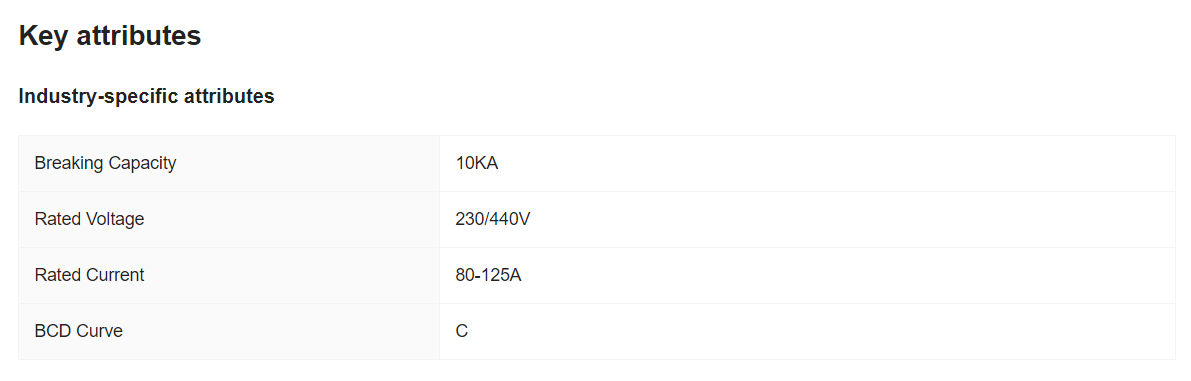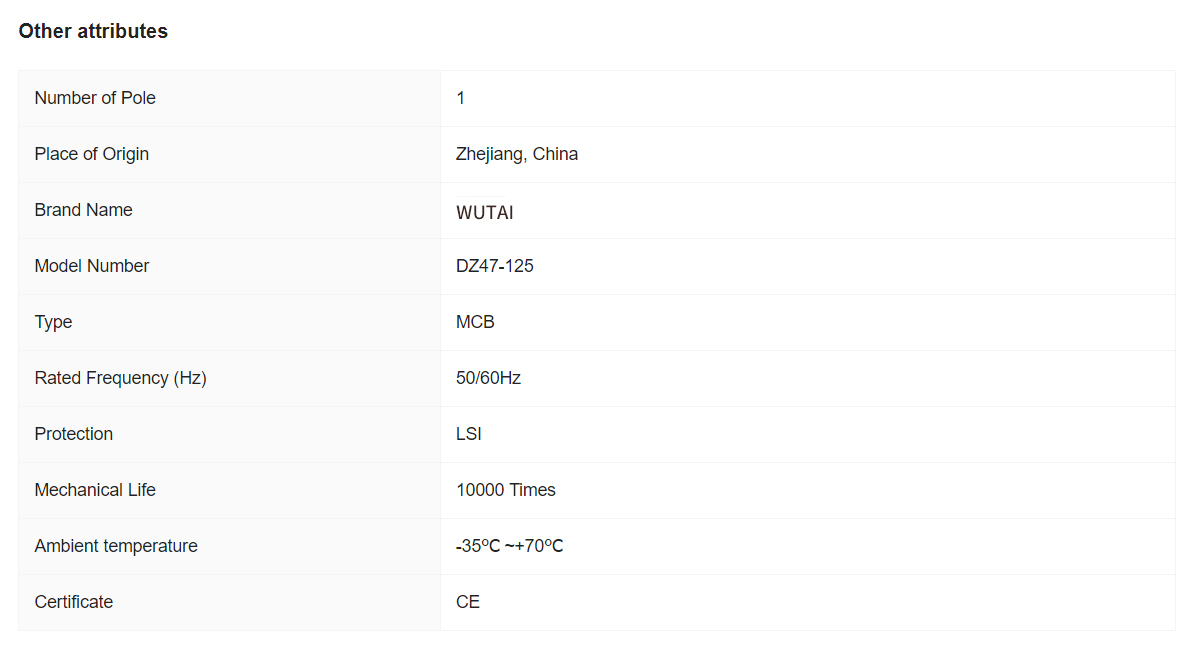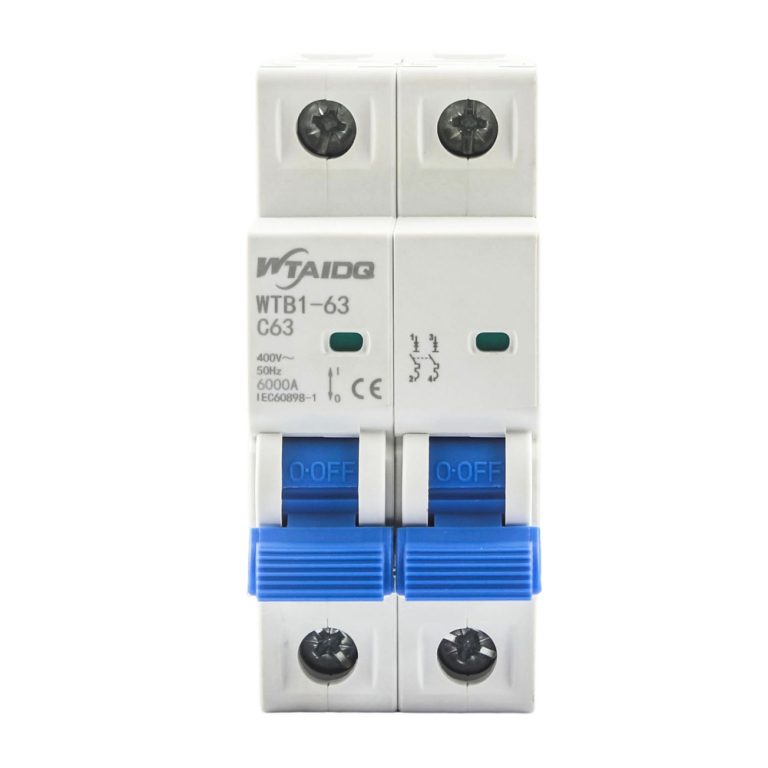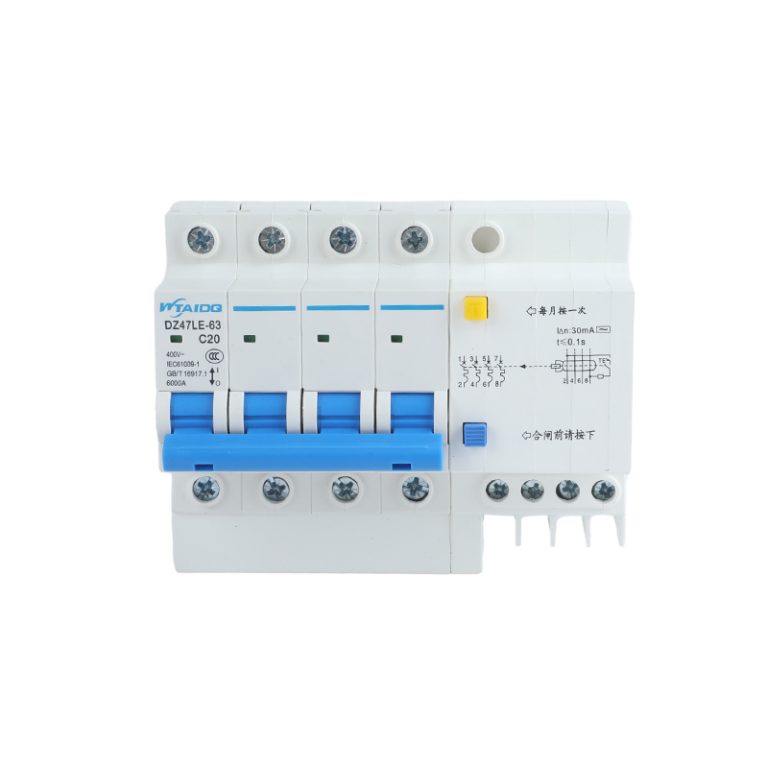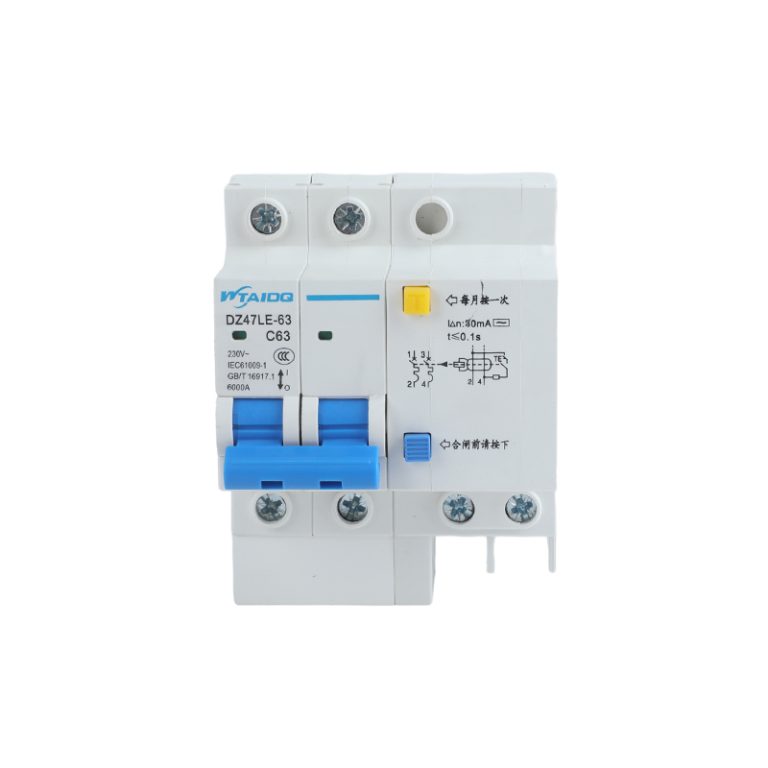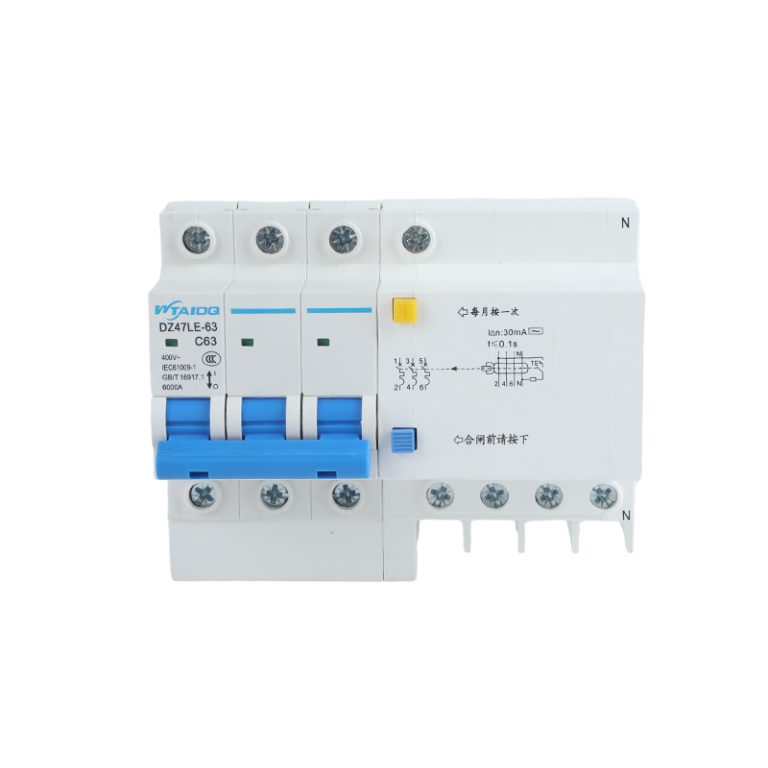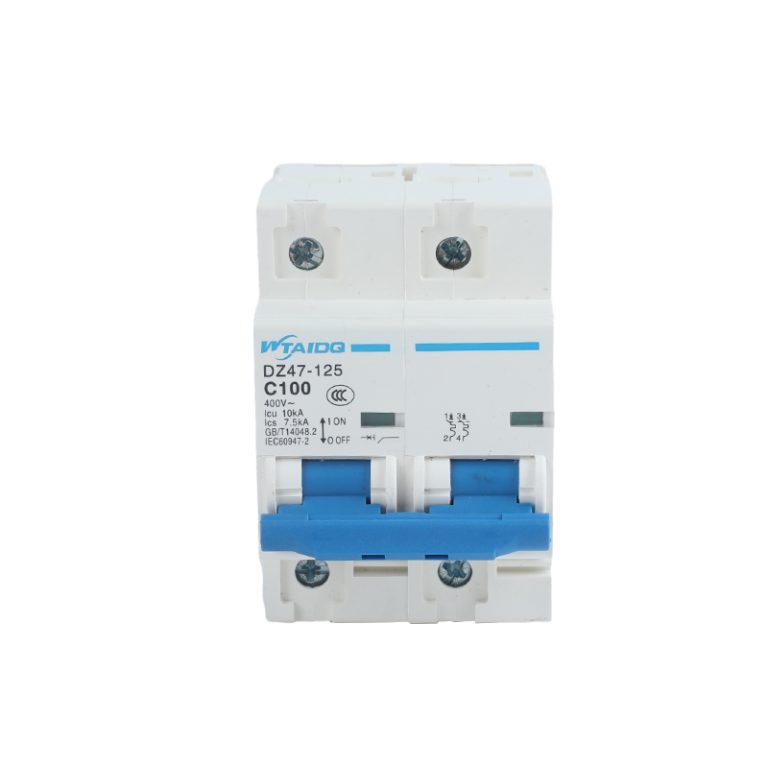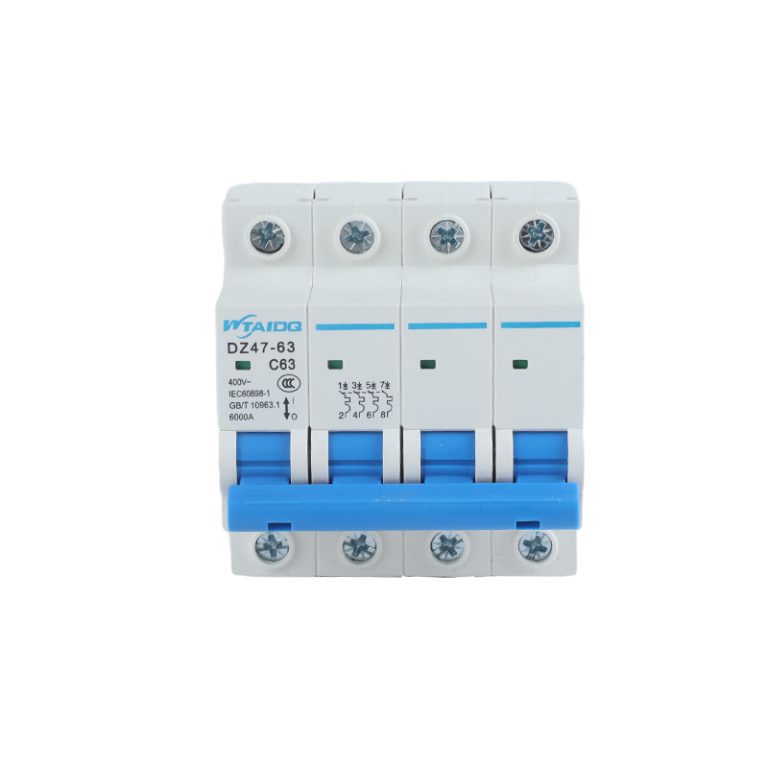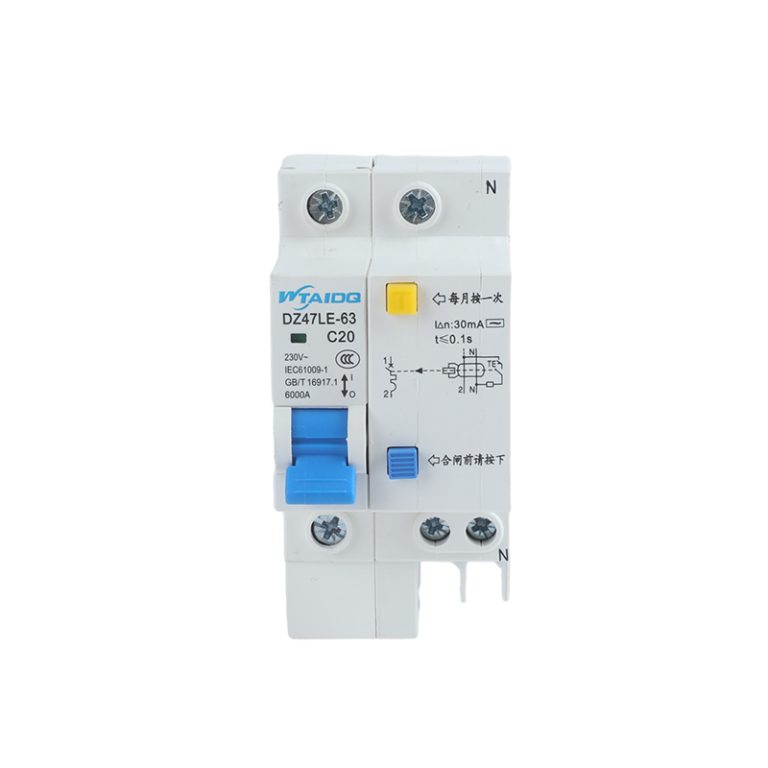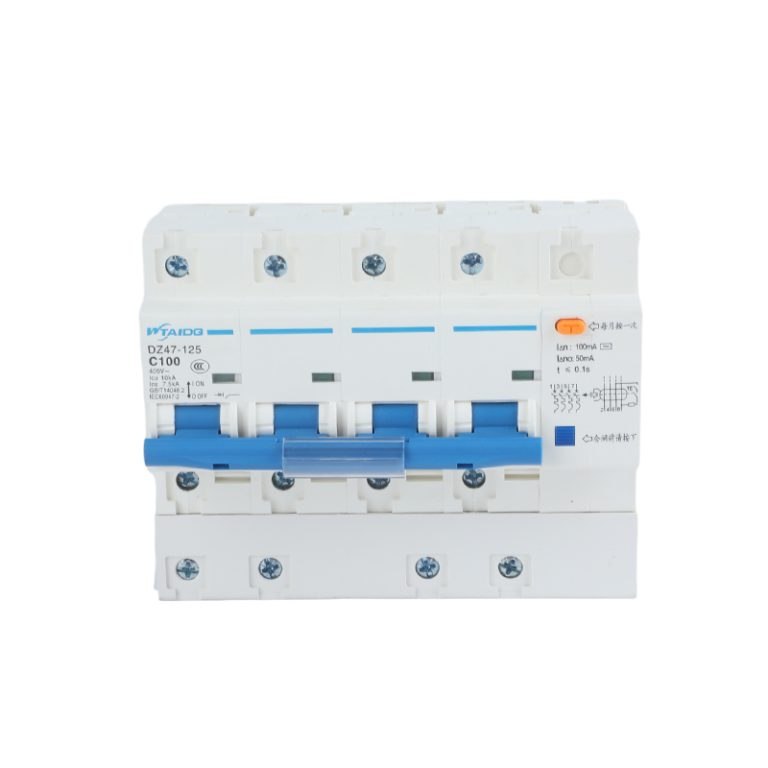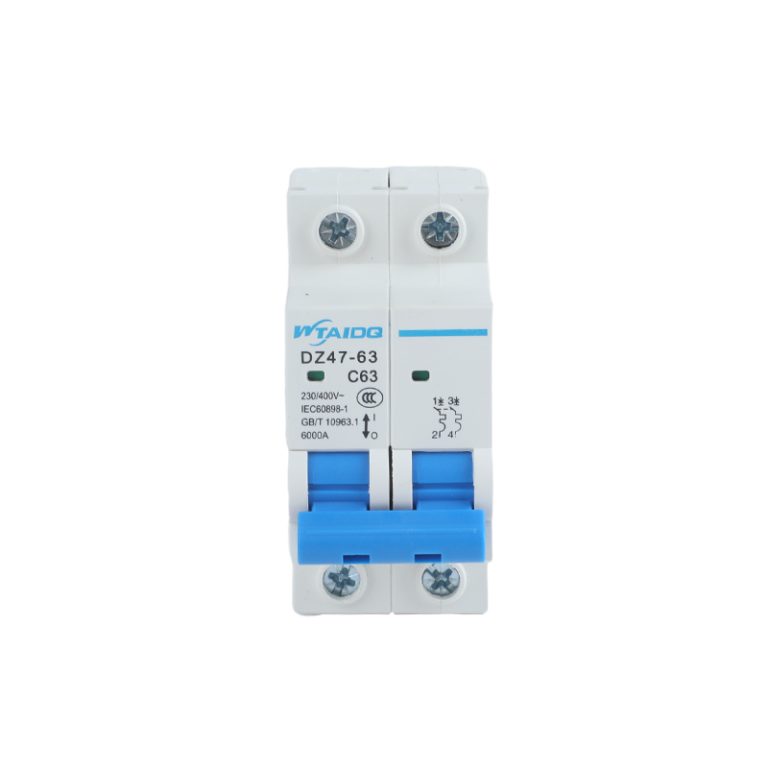
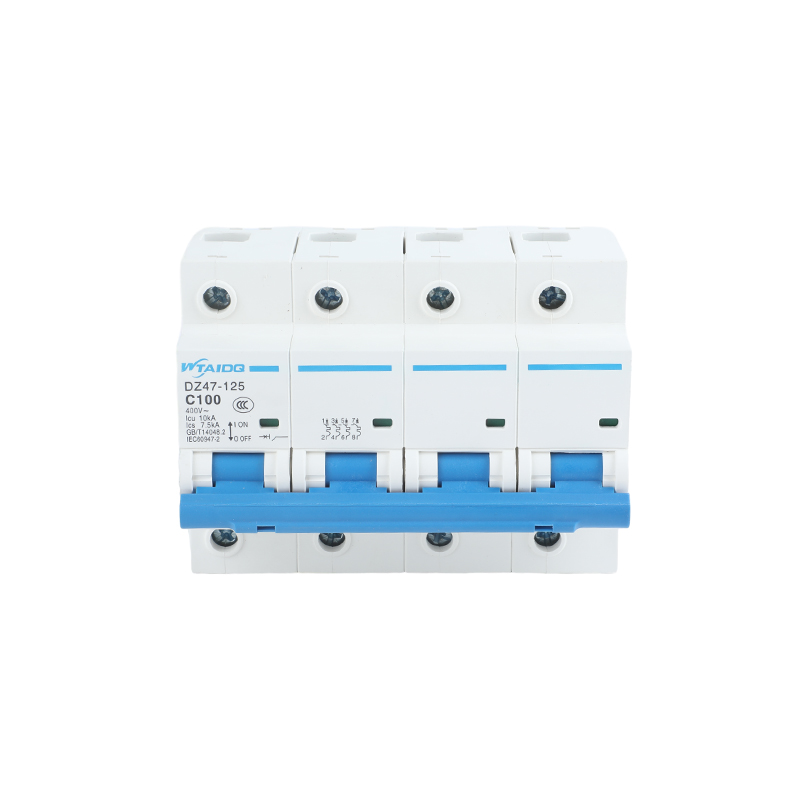
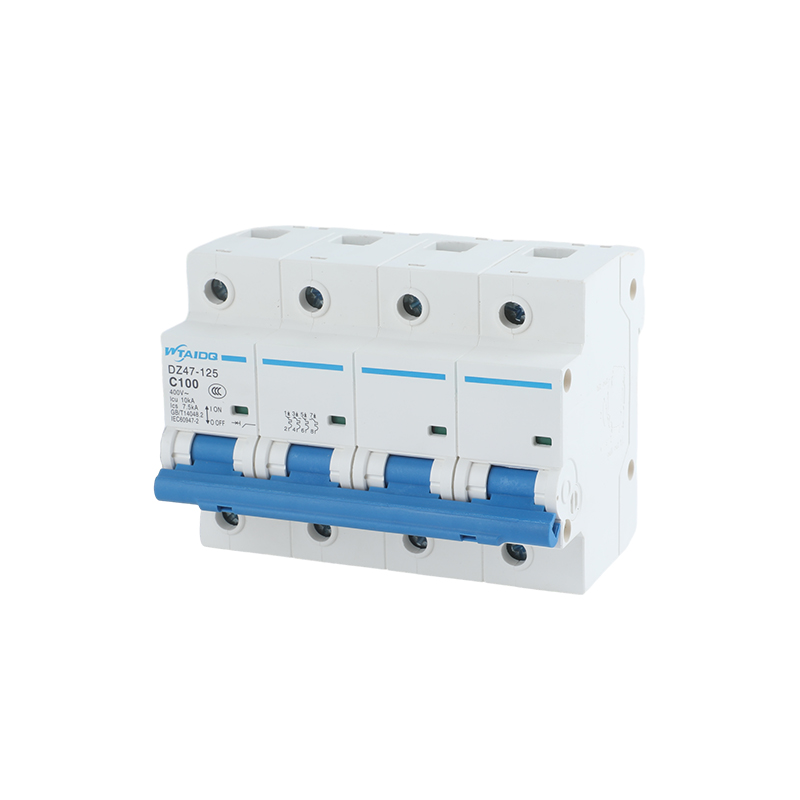
- Higher safety: The rated current of small high-voltage circuit breakers is smaller, which means they can withstand higher short-circuit current and overload capacity. This can reduce the risk of electrical fires caused by short circuits or faults, and improve the safety of the circuit.
- Low cost and high reliability: Compared with ordinary high-voltage circuit breakers, small high-voltage circuit breakers have smaller volume, lighter weight, and simpler structure, resulting in relatively low production costs. In addition, due to its small size and simple structure, this type of circuit breaker is usually easier to maintain and repair without the need for complex tools and equipment. This makes them a low-cost and highly reliable choice.
- Smaller footprint: Compared to large high-voltage circuit breakers, small high-voltage circuit breakers can occupy less space. This is very important for electrical equipment installed in limited spaces, such as small buildings or home electrical systems.
- Better flexibility: Small high-voltage circuit breakers are usually suitable for small electrical equipment and systems, such as lighting, sockets, etc. These devices have relatively weak power requirements, while small high-voltage circuit breakers can meet their needs and provide sufficient protection functions.
- Energy conservation and environmental protection: Small high-voltage circuit breakers are usually designed with low voltage, which can reduce the loss of electrical energy. This helps to reduce energy consumption and carbon emissions, thereby achieving the goal of energy conservation and emission reduction.