A single faulty AC contactor can cripple your HVAC system or halt production lines overnight—costing thousands in downtime. Yet, 30% of these failures stem from overlooked testing steps! Whether you’re troubleshooting erratic operation or verifying insulation integrity, this guide delivers exact methods to test AC contactors safely and efficiently. I’ll walk you through resistance checks, timing tests, and pro tips to slash maintenance costs. Ready to master reliability? Let’s energize your expertise!
1. Introduction to Contactors
What is a Contactor?
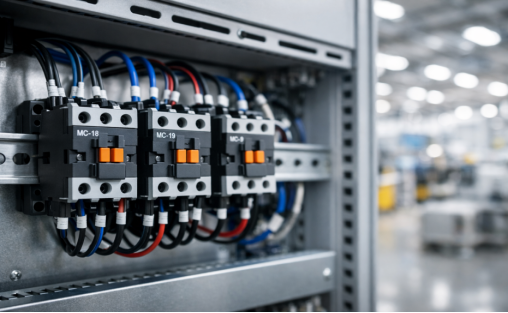
An AC contactor is an electromechanical switch designed to control electrical circuits in alternating current (AC) systems. Commonly used in industrial equipment, HVAC systems, and motor control applications, it enables safe remote operation by connecting or disconnecting power to devices like compressors, pumps, or fans. Its primary role is to handle high-voltage or high-current loads while protecting circuits from overloads.
Key Components of a Contactor
- Electromagnetic Coil : Generates a magnetic field when energized, pulling the movable contacts to close the circuit.
- Contacts : Include stationary and movable parts (usually made of silver alloy) that carry the electrical current.
- Arc Suppression Chamber : Extinguishes sparks during contact separation to prevent damage. Additional elements like auxiliary contacts (for control circuits) and housing (for insulation) ensure durability and safety.
2. Essential Preparations Before Testing
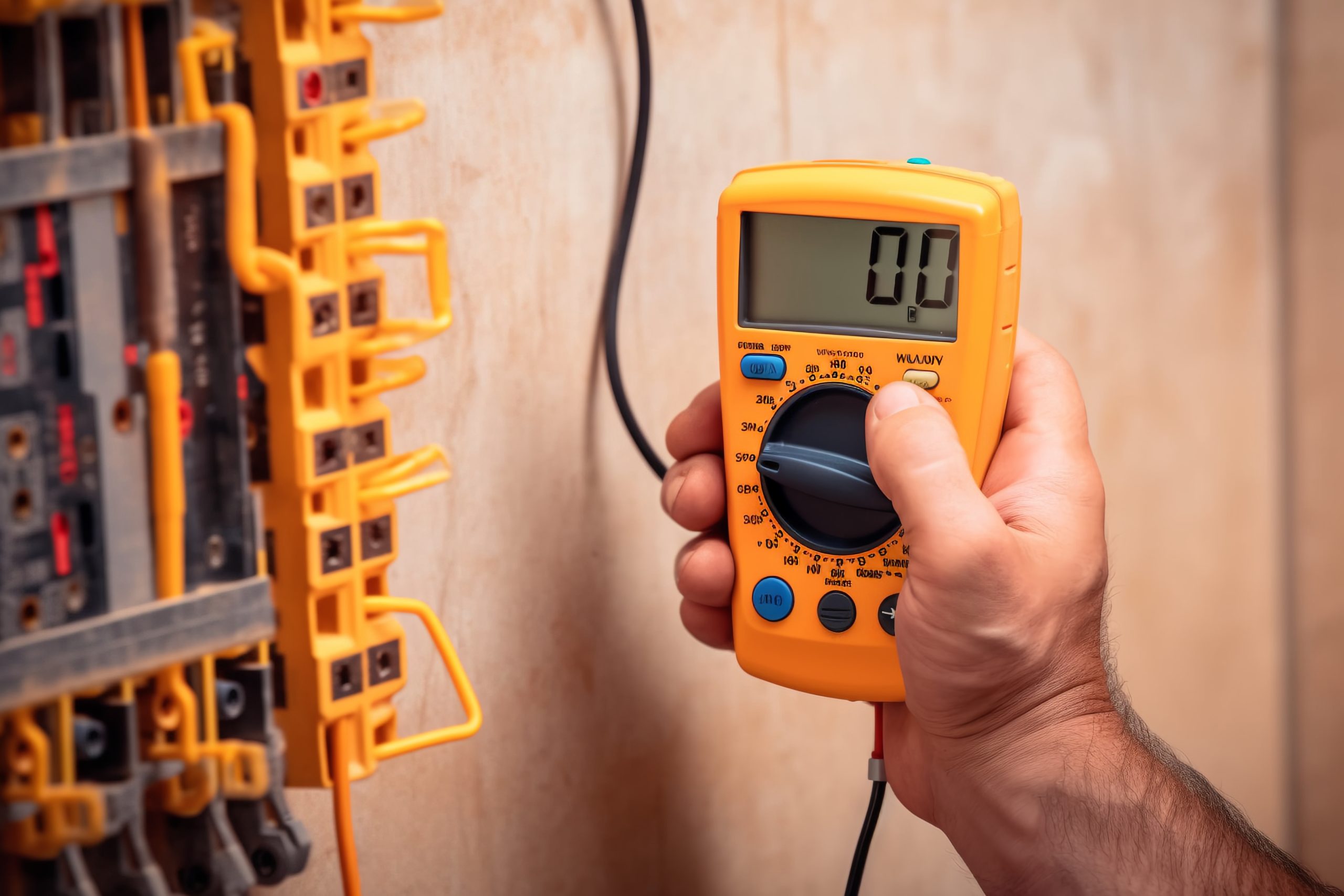
- Safety Precautions:Testing an AC contactor safely requires prioritizing precautions and gathering the right tools. Safety first: Always disconnect the power supply at the circuit breaker to prevent electrical shocks. Verify voltage absence using a multimeter before touching terminals. Wear insulated gloves and safety goggles for protection. Ensure the work area is dry and well-lit to avoid accidents.
- Tool preparation: Equip yourself with a digital multimeter (for measuring voltage, resistance, and continuity), a screwdriver set (to access terminals), and insulated pliers. Keep the manufacturer’s manual handy for reference, and prepare a notepad to log readings. For older units, have contact cleaner and a wire brush ready to remove debris. These steps ensure accurate testing while minimizing risks. Always double-check connections and tools before proceeding.
3. Step-by-Step Contactor Testing Procedures
Contact Resistance Testing
Operational Timing Test
Voltage Rating and Insulation Verification
Safety and Compliance
4. Common Contactor Faults and Troubleshooting
Contactor Fails to Close
Intermittent Operation
Unusual Noises During Operation
Regular maintenance (cleaning contacts, tightening connections) and voltage monitoring prevent most issues. Always disconnect power before testing or repairs to ensure safety.
5. FAQs: Answering Technician’s Top Questions
- Q: How often should contactors be tested?
6. Conclusion
Regularly testing your AC contactor ensures optimal performance and prevents electrical failures. Follow the manufacturer’s guidelines for safe procedures, inspect for wear, and consult a professional if issues persist. Prioritize safety to maintain system efficiency and longevity.